Seller's Guide
From determining your home's value to closing day, learn more about the home selling process.
Selling your home
Our common Goal is to sell your home for More Money. By understanding your goals and what you want to achieve... we need to ask you some questions.

Step 1: Our First Meeting
Why are you selling?
Where are you moving to?
How soon do you want to be there?
What is more important to you? Time or Money?
Did you purchase any home before selling?
How much do you want to sell?
Do you know how buyers determine Value of your home?
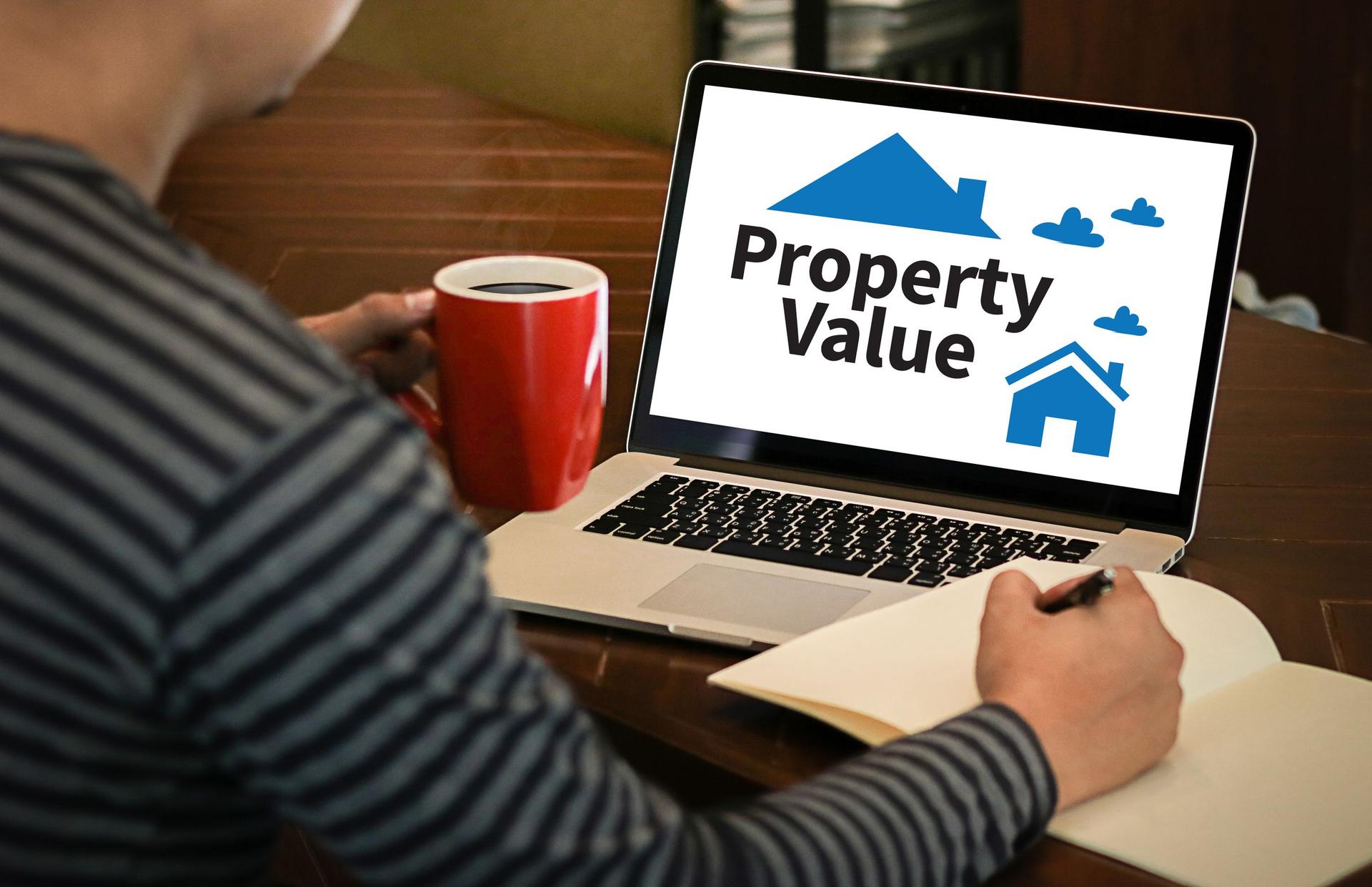
Step 2: What's your home worth?
Based on the features, upgrades and structure of your home, we’ll prepare a CMA (Comparative Market Analysis) is to help you determine the value of your home in the eyes of the buyer.
We’ll collect the information of your home as follows:
1. Number of bedrooms, baths
2. Lot size (Regular or irregular)
3. Square footage based on MPAC.
4. Recent upgrades and renovation.
5. Any deficiency in structure, plumbing, mechanical, electrical, roof and basement.
6. Neighborhoods
7. School Zones
8. Amenities
9. Status Certificate (if your home is Condominium)

Step 3: Prelisting Home Inspection
When you sell your home, you shouldn’t miss a Prelisting Home Inspection, which actually save you more money and sell your home faster. In fact it attracts more potential buyers with the Right Asking Price.
1. Number of bedrooms, baths
2. Lot size (Regular or irregular)
3. Square footage based on MPAC.
4. Recent upgrades and renovation.
5. Any deficiency in structure, plumbing, mechanical, electrical, roof and basement.
6. Neighborhoods
7. School Zones
8. Amenities
9. Status Certificate (if your home is Condominium)
Step 4: Get your home Ready for showing
* Store personal items, photos and collectibles, in plastic bins and stack them neatly in your closet or garage.
* Declutter kitchen and bath countertops, and clean out your refrigerator. Floors and fixtures should be sparkling.
* Declutter and organize closets. Buyers want to see storage space, not your winter wardrobe.
* Neutralize odors, but don’t overwhelm with artificial scents.
* Empty your garage of everything but vehicles.
* Cut the grass front and back. Take care the lawn with
beautiful flowers.


Step 5: DIY upgrades / Invest In
First impressions matter when you’re presenting your home to prospective buyers. You want to show your home in its best light and wow potential buyers right away.
No matter your budget, there are improvements you can make that will impress
buyers and help your home look its very best. As your agent, I can help you decide which upgrades will be the most beneficial in selling your home and give you the biggest return on your investment.
Low cost DIY upgrades:
Deep clean - Carpets, vents, baseboards, walls, windows and trim.
For examples: Paint the bedrooms with neutral color.
Spend a little:
Light fixtures upgrade and modernizing rooms. Replace carpets by hardwood floor. Repair or replace doors.
Invest In:
Carpets, Upgrade old appliances to new Energy Star rated models. Have a Granite or quarts countertops in kitchen. Buy stainless steel appliances like fridge and stove. Fix leadly taps and toilet in bathrooms. Install a fan and modern vanity.
Step 6: Staging with a Purpose
Staging is considered one of the most effective marketing strategies to increase
the value of your home. The strategy is effective in any market, in any type of home property being listed. It applies equally to single-family houses, townhouses and condominium apartments.
Staging the home will:
* Distinguish it from the competition
* Attract top dollar from home-buyers
* Provide a visual edge over the competition.
What do buyers want to see?
If they can picture themselves living in the home, the home will be easier to sell.
The home must feel new to reflect ease of upkeep. The eyes of buyers are drawn to inviting space and lights.
Focus on furniture: Less is More
Examining the concept of creating space by minimizing furniture. Space and
storage are high on the list of buyers’ desires, so every area of the home should
feel spacious.
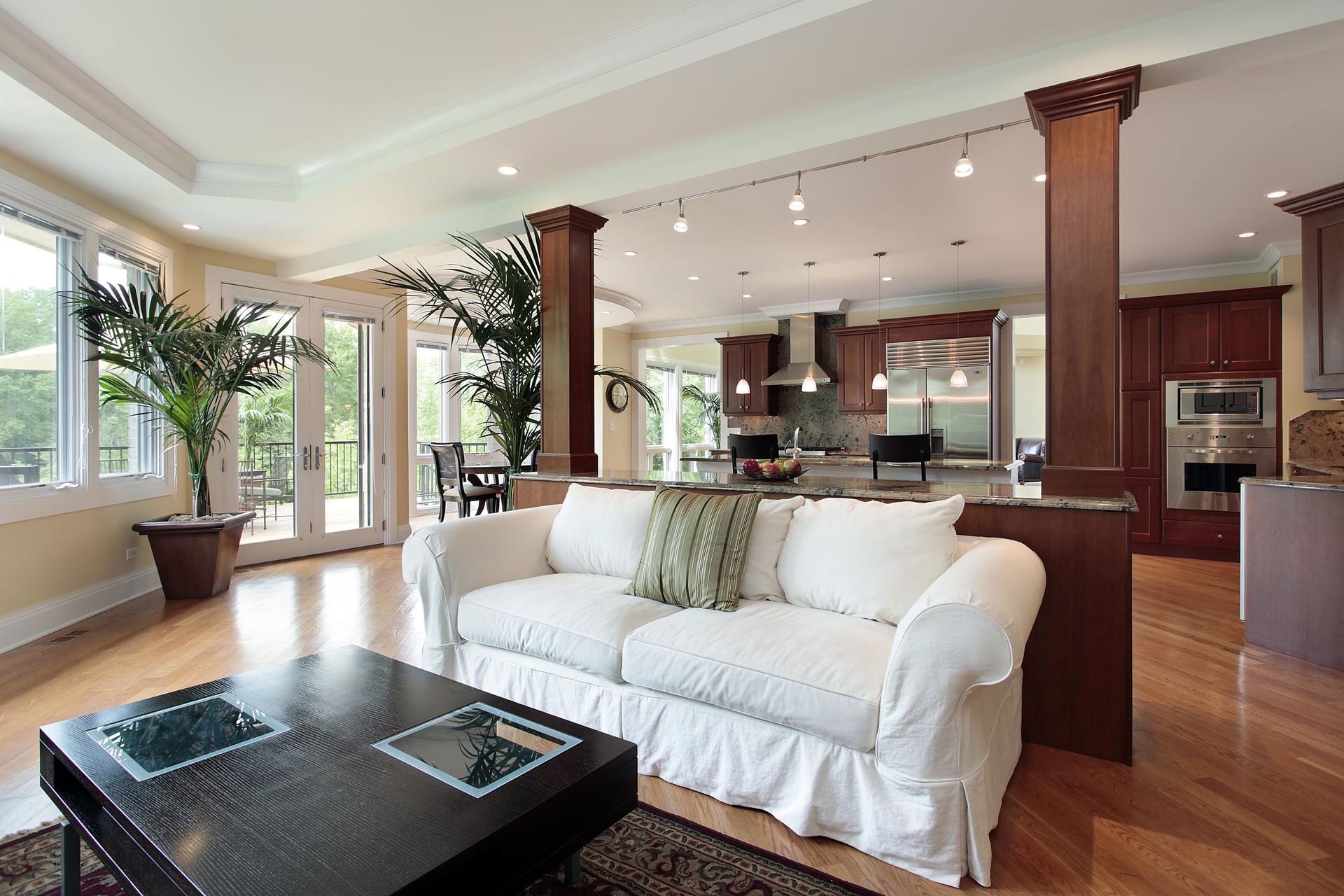
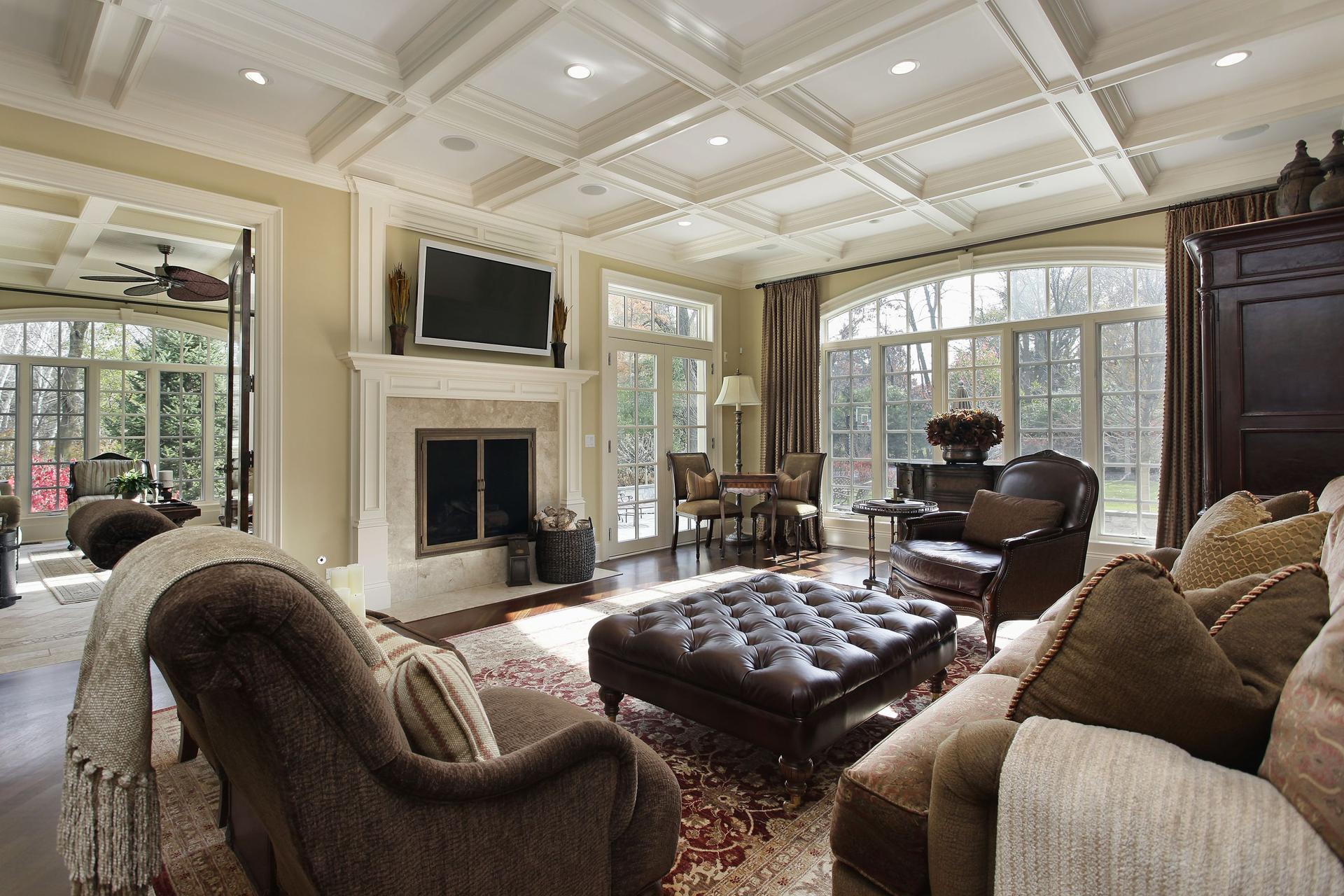
Step 7: Professional Photos
When it comes to selling a home, no one buys one blindly. In this day and age,
technology allows buyers access to hundreds of different homes. More often a
potential buyer will see the pictures of a home and continue onto the next home. If they really love the pictures, they’ll immediately continue looking at that house and schedule a showing.
Good pictures are the hook, line and sinker when it comes to marketing a home. If you don’t have the right bait (professional pictures), your home could sit on the market for months. In contrast, the right pictures could sell a home in a week
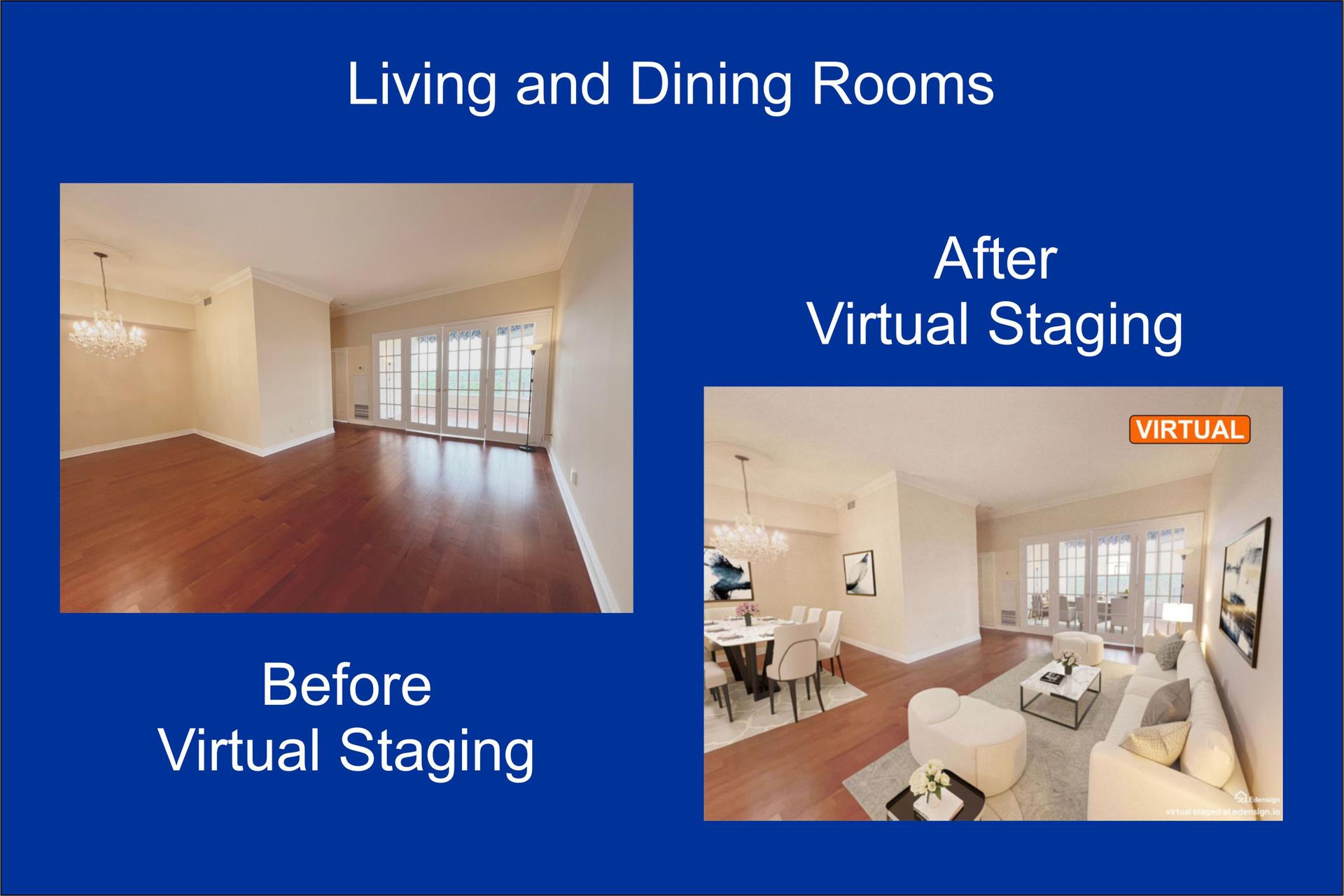
Step 8: Virtual Staging and Video
Virtual Staging and Video have been used in Real Estate Selling. They cut the Cost and Save Time to produce excellent and realistic images of furniture and the staging the home professional.
Virtual Furniture and Landscape
* Different Style and Character at your home especially when the home is vacant. If your home is very congested. The Virtual Staging can remove some of the furniture and create SPACE, which actually make the property bigger.
Virtual Video
* The Virtual Video is produced with existing furniture or virtual furniture. The photos can be animated with different angles. It makes the home LIVE in front of the buyers.

Step 9: Marketing Your Home
A catchy listing that describes your home’s best features will draw readers in
and build interest in your home. Keyword search is the biggest driver of traffic
to content sites, beating social media by more than 300%. 97% of all buyers used the internet in their home search. Knowing what keywords to use for Search Engine Optimization (SEO) will drive traffic to your listing and get more eyes on your home and help it sell faster.
With Virtual Staging and Virtual Video, it maximizes the number of Buyers in the market. It means More Showings which converts to More Offers to purchase your home.
 Toronto Real Estate Board (TRREB); All information deemed reliable but not guaranteed. All properties are subject to prior sale, change or withdrawal. Neither listing broker(s) or information provider(s) shall be responsible for any typographical errors, misinformation, misprints and shall be held totally harmless. Listing(s) information is provided for consumer's personal, non-commercial use and may not be used for any purpose other than to identify prospective properties consumers may be interested
 All information deemed reliable but not guaranteed. All properties are subject to prior sale, change or withdrawal. Neither listing broker(s) or information provider(s) shall be responsible for any typographical errors, misinformation, misprints and shall be held totally harmless. Listing(s) information is provided for consumer's personal, non-commercial use and may not be used for any purpose other than to identify prospective properties consumers may be interested in purchasing. The data relating